If you are renovating the kitchen and want one countertop with design, resistance and easy maintenance, Silestone (quartz surface) It is one of the most balanced options on the market. At Mármoles Barcelona we manufacture custom products with state-of-the-art machinery and we install in Barcelona and surroundings, taking care of every detail so that the result is long-lasting and aesthetic.
What is Silestone and why is it chosen for kitchens?
Silestone is a quartz surface agglomerated with high quality resins and pigments.. What does it mean in practice? A countertop very dense, resistant to household stains and with a very wide palette of colors and textures. For those seeking balance between aesthetics, durability and easy maintenance, It is an “all-rounder” in residential and contract projects.
At Mármoles Barcelona we usually recommend Silestone when the client prioritizes chromatic uniformity, discreet joints and wide variety of finishes to integrate with furniture, floors and appliances.
Key Advantages of Silestone on Countertops
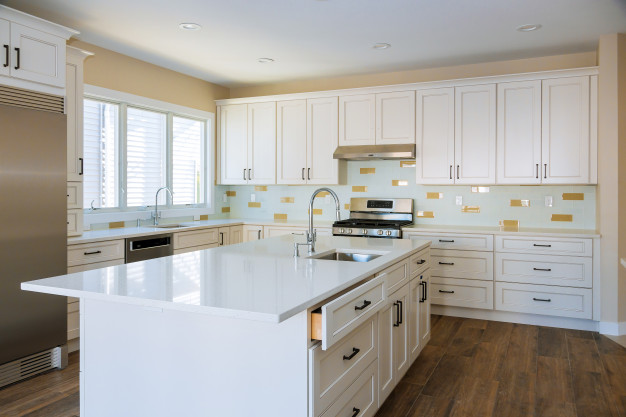
Beyond the technical sheet, These are the real advantages that you will notice on a daily basis.:
- Resistance to household stains: café, oil or wine are cleaned with a damp cloth and neutral detergent.
- very low porosity: Facilitates daily hygiene against splashes and food remains.
- Design and continuity: large formats that reduce joints and a color range contemporary (marbled, cements, solid shades).
- Versatile finishes: pulido, silky matte or textured to adjust the character of the kitchen.
- Dimensional stability: ideal for precision machining: plate and sink inserts, chaflanes, miters and sockets.
In our Sabadell showroom (next to Ikea) and in Barcelona you can see and touch royal irons, compare under different lights and decide with confidence.
Quick comparison: Silestone vs. porcelain and other alternatives
Each material has its ideal terrain. If you hesitate between quartz (Silestone) and porcelain, This table guides you according to use and expectations:
| Criterion | Silestone (quartz) | Porcelain | Natural stone |
|---|---|---|---|
| Spots resistance | Very high in normal domestic use | Very high | Variable depending on stone and sealing |
| Scratch resistance | Alta (avoid abrasives and direct cutting) | Very high | Medium–high (granite) / media (marble) |
| Thermal resistance | Buena, but avoid thermal shock with very hot parts | Very high | Alta, although sensitive to shocks in some lithologies |
| Design variety | Very wide (solids, Vetas, cements) | Wide (piedra, madera, metal, cements) | Unique by nature, less color control |
| Maintenance | Very simple; daily cleaning | Very simple; boards to review | Periodic sealing on some materials |
| Applications | Countertops, frontal, islands | Thin countertops, fronts and coverings | Countertops and special pieces |
If your absolute priority is resistance to direct heat or you are looking for ultra-thin fronts, we also work porcelain material for countertops with light-looking edges. We help you compare in person with real samples.
Finishes, thicknesses and edges: how to get the design right
The details elevate the result. These decisions determine the style and functionality:
- Finish: pulido (reflects more light), sedulous mate (very current) the textured (more character, better hides footprints).
- Thickness: 12, 20 o 30 mm (the most used). we can achieve thick effect with miter on islands.
- Songs: straight micro bevel, quarter cup or chamfer. The straight one stylizes and combines with minimalist kitchens.
- Sinks and plates: low enample setting for a look
